Basic Information
Scientific classification
- Chinese name: Shrimp Tiger
- Scientific name: Gobiidae (Symbiotic goby group: Amblyeleotris, Cryptocentrus, Stonogobiops, etc.)
- Classification: Small fish
- Family: Gobiidae Amblyeleotris Cryptocentrus Stonogobiops
Vital signs data
- Body length: Commonly 5–12 cm; Maximum ~18–20 cm
- Weight: Small bottom-dwelling fish, with significant individual variation.
- Lifespan: 2–6 years (estimated)
Significant features
Symbiotic relationship with pistol shrimp; shrimp dig burrows, goby guards and alerts; they wait at the burrow entrance to hunt; larvae during the planktonic stage.
Distribution and Habitat
Caves on the outer edge of Indo-Pacific coral reefs, near sand/shellbed and gravel, 3–40 m.
Appearance
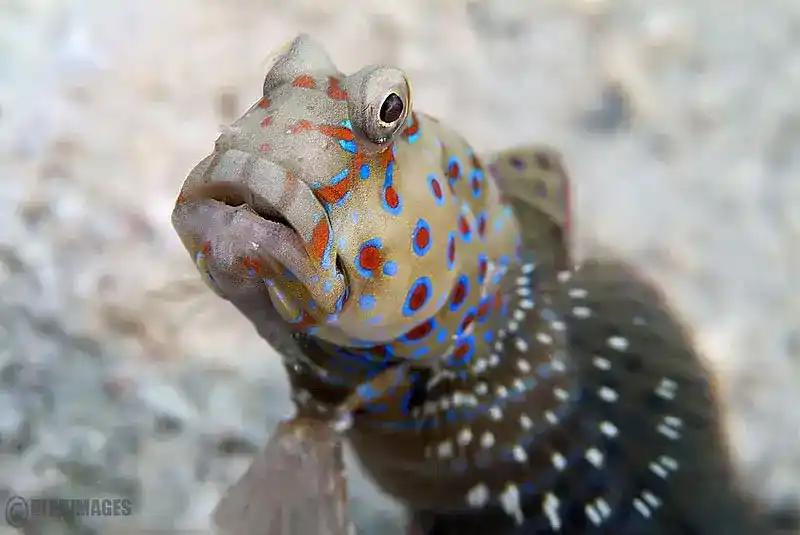
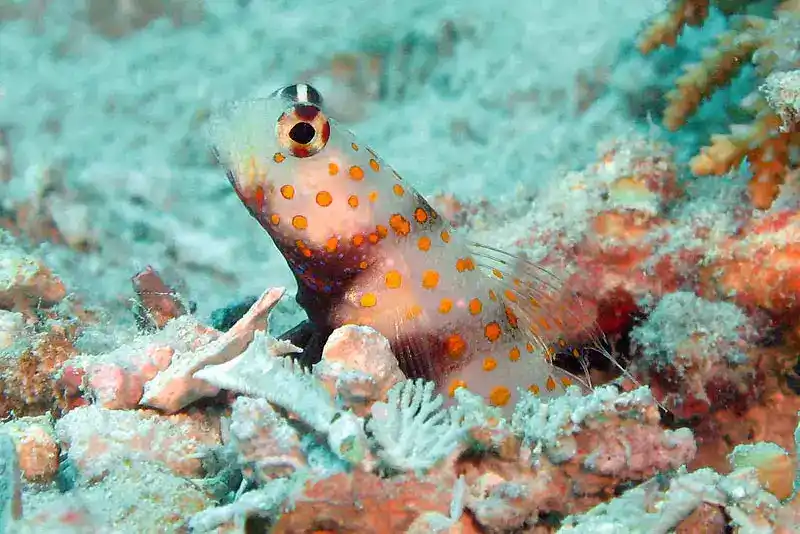
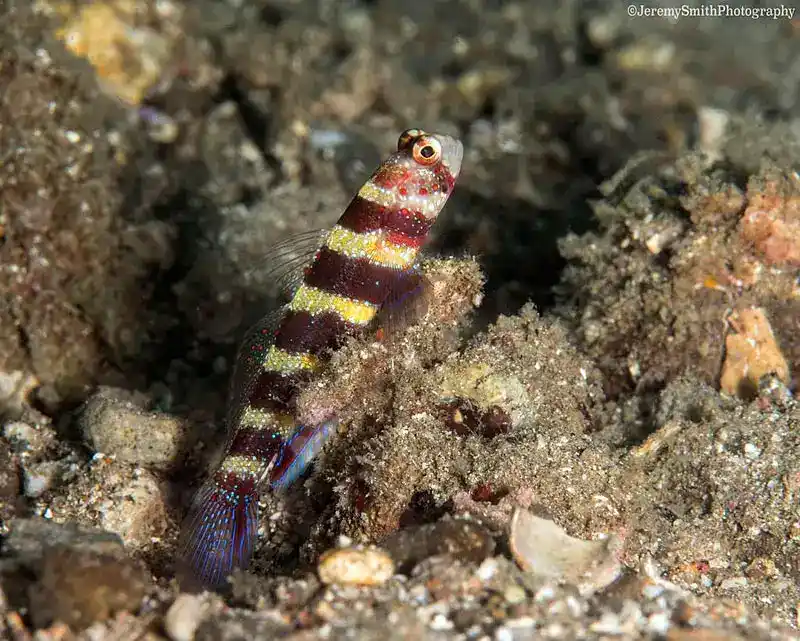
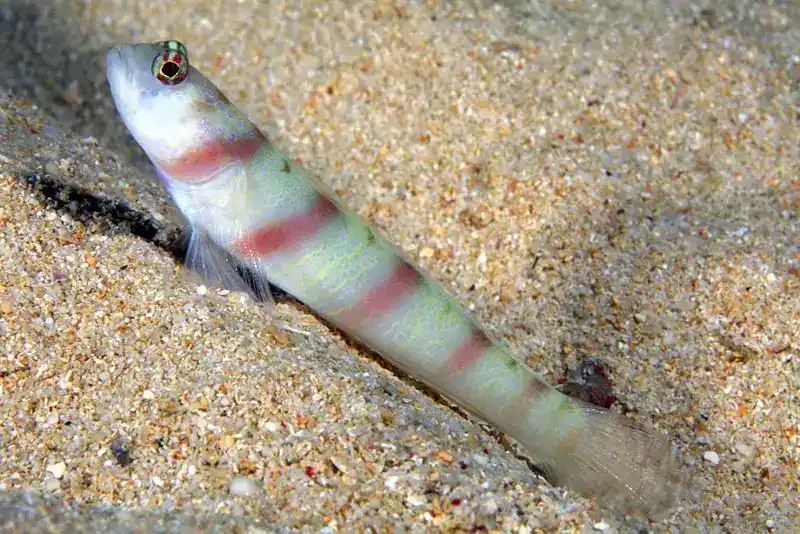
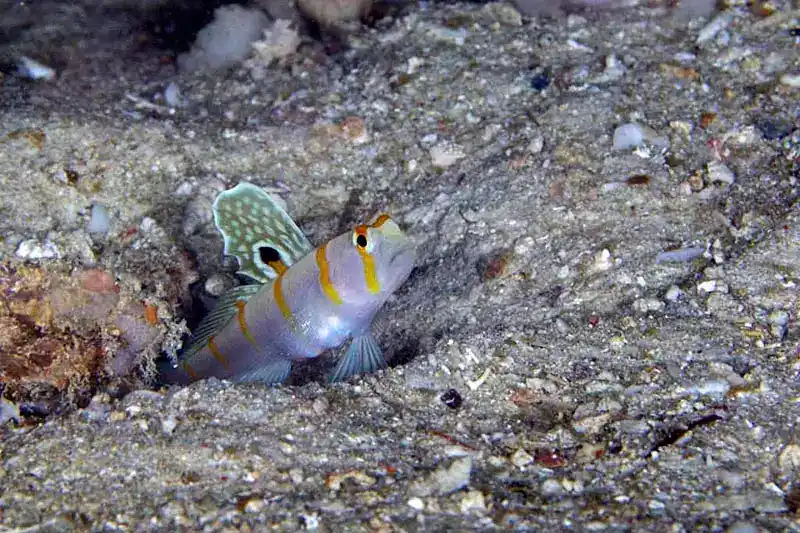
Slender body shape; pelvic fins fused into suckers; diverse lateral rings/longitudinal bands and eye spots; the anterior part of the dorsal fin can be towering.
Detailed introduction
Prawn gobies (also known as pistol shrimp gobies) are not a single species, but rather a group of gobies that establish a mutualistic symbiotic relationship with pistol shrimp (mostly belonging to the genus *Alpheus *) . Typical genera include *Amblyeleotris *, *Cryptocentrus* , and *Stonogobiops *. The shrimp are responsible for digging and maintaining the burrow , while the goby uses its caudal peduncle and pectoral fin antennae to sense the shrimp's movements and remain alert . If a threat is detected, the goby flicks its tail to alert the shrimp, and both quickly retreat into the burrow.
Ecology and Biology
Symbiotic mechanism: Shrimp are almost blind and rely on gobies for protection; gobies, in turn, use the shrimp's engineering abilities to obtain safe habitats and ventilation gaps .
Diet: Primarily feeds on small crustaceans, benthic polychaetes, and plankton , while also consuming organic detritus.
Behavior: It is common for a pair of goby shrimp to live together with 1-2 pistol shrimp ; during the day, they hover or lie prone above the burrow entrance to guard the burrow , and their activity decreases after dusk.
Reproduction: They lay their eggs in caves and guard them ; both male and female will guard the nest together, and the fry will enter a planktonic stage after hatching.
Morphology and Recognition
Body shape: slender, with a terminal snout; pelvic fins often merge to form a sucker to secure the burrow entrance.
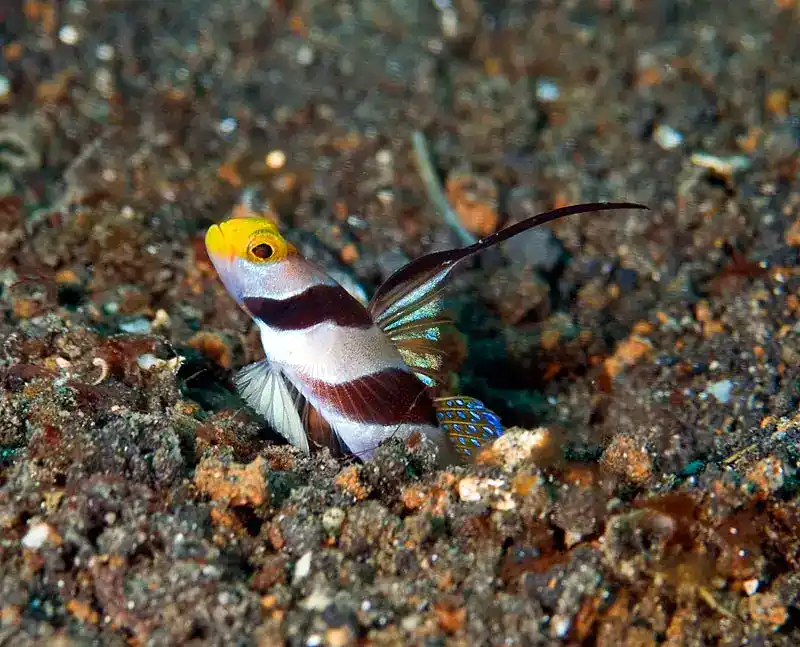
Body color: often with rings/longitudinal bands and eyespots (such as the black and white bands and yellow head of the Stoneogobiops ); the anterior part of the dorsal fin may be high.
Touch contact: Gobies will use their caudal peduncle or pectoral fin antennae to maintain physical contact with shrimp in order to transmit an alarm.
Body size and lifespan
Body length: Commonly 5–12 cm , larger species can reach ~18–20 cm (such as some Cryptocentrus ).
Lifespan: Usually 2–6 years ; affected by habitat and predation pressures.
Distribution and Habitat
They are mainly distributed in tropical/subtropical coral reefs and outer reef sandy-shell bottoms in the Indo-Pacific region, often located at the entrance of caves next to coral blocks/rubble , at a water depth of 3–40 m .
Conservation and Human Interaction
Threats: Substrate mudification, increased sedimentation, engineering disturbances and over-collection; localized impact from the ornamental fish trade.
Recommendations: Protect coral-sand microhabitats and reduce anchor damage and diver trampling; regulate collection practices.
IUCN: This entry is a general overview of taxa . Evaluations vary among different species (LC–DD, etc.). This site marks the general overview entry as unevaluated (NE) .
Frequently Asked Questions
Q1: How can you tell at a glance that goby and prawn are in symbiosis? Observe the prawn digging in the sand at the burrow entrance , while the goby guards the burrow and keeps touching the prawn ; when alert, both retreat at the same time.
Q2: What are some common examples? Amblyeleotris wheeleri , Cryptocentrus cinctus (yellow gecko), Stonogobiops nematodes (striped gecko), etc.
Q3: Can it be artificially raised? It requires a fine sandy bottom and sufficient hiding structures, and must be paired with pistol shrimp from the same area ; it is not beginner-friendly.
Q4: Why is it sensitive to sediment? Caves need continuous ventilation and stability ; too fine mud and sand will clog the cave entrance and reduce survival.